


How to Maximize Savings for Young Professionals in Australia
Assessing Current Financial Health
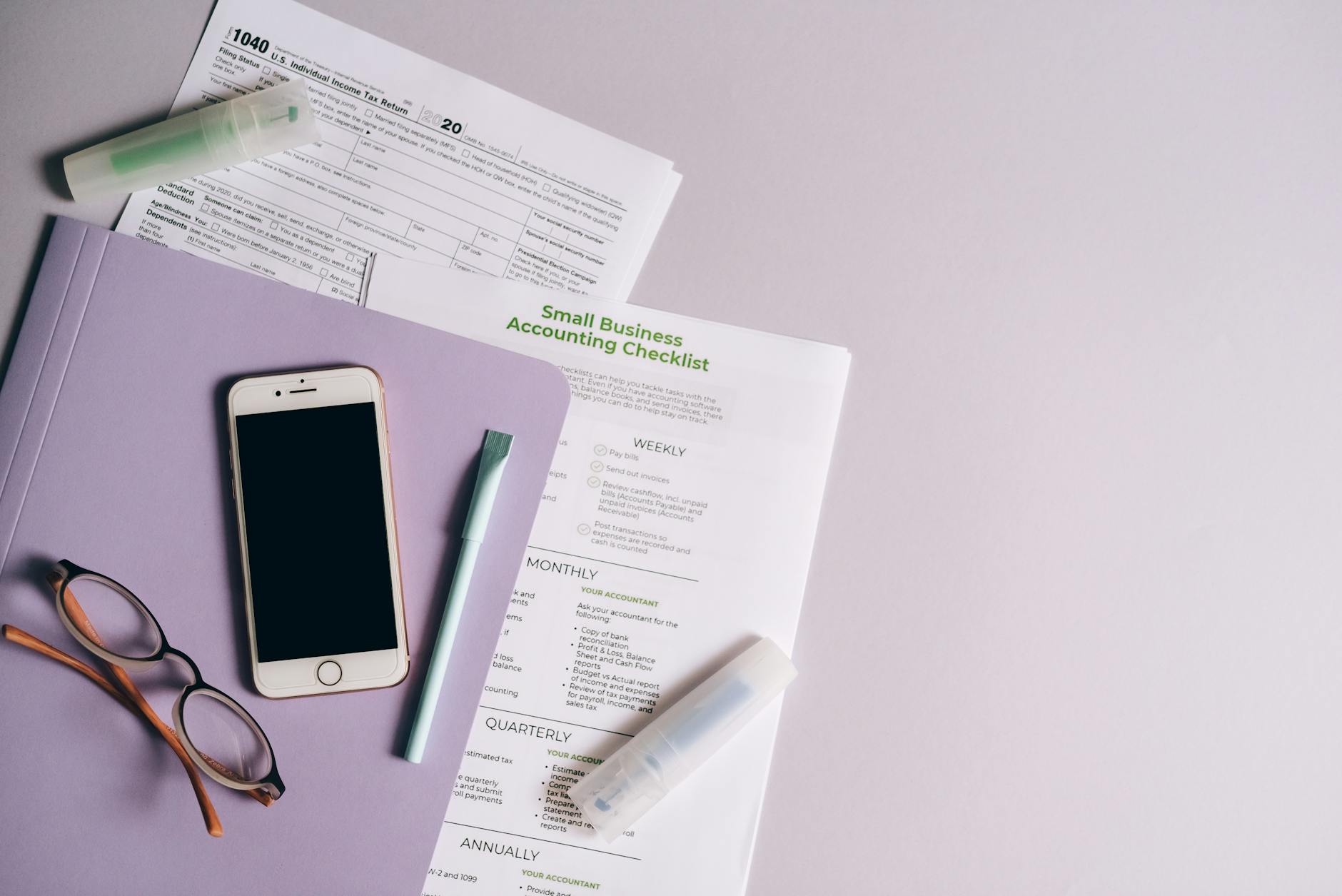
Reviewing your financial well-being is an essential step in reaching your goals. Understanding where you stand financially helps you identify areas for improvement and devise strategies that align with your ambitions, such as saving for travel or investing in property. Let's explore how this can be done effectively.
Analysing Income and Expenses
Begin by evaluating your income sources and fixed expenses. With a salary ranging between AUD 60,000 to 80,000, it's crucial to assess monthly cash inflow and outflow. This includes regular bills, subscriptions, and any fluctuating costs you may encounter. By mapping out these aspects, you can better strategize towards your dreams, be it visiting the beautiful South Bank Parklands or broadening your investment portfolio.
Tracking Spending Habits
Tracking daily expenditures can offer insights into your financial patterns. Utilising apps that categorise spending can highlight areas where you might scale back. For instance, if you're consistently spending more on dining out, consider reallocating some of that budget to a high yield savings account for a future property purchase or a well-deserved holiday.
Setting Savings Goals
Establishing clear savings objectives is vital for financial stability. Consider segmenting your funds into short-term and long-term goals. Short-term might include a travel fund for exploring new cities, while long-term could focus on building a deposit for property investment. Opening a high yield savings account Australia may assist in accelerating your savings interest earnings, linking all this practical financial advice back to achieving your desired lifestyle balance.
Smart Banking Choices
Choosing the Right Account
Navigating banking options in Australia can sometimes feel overwhelming, especially when trying to strike a balance between savings and spending. As an aspiring property investor in Brisbane, my focus has shifted towards selecting accounts that best support my financial trajectory. While considering choices like high interest term deposit facilities, it's pertinent to weigh their pros and cons. These accounts usually offer impressive returns but often require funds to be locked away, which doesn't provide much flexibility for sudden needs.
High-Yield Savings Options
For many young professionals like myself, opting for a high interest savings account offers a practical alternative. These are designed to provide higher interest rates compared to standard savings accounts, allowing your funds to grow consistently over time. It mirrors the feeling of walking along the South Bank Parklands, where every step feels rewarding and refreshing. However, some of these accounts come with conditions such as maintaining a certain balance or limiting the number of withdrawals.
Digital Banking Tools
In today’s tech-centric world, leveraging digital tools to manage your finances is an absolute game-changer. From apps that track expenses to platforms allowing seamless transfers, these tools simplify banking operations and provide timely updates on financial health. It's like structuring a lesson plan to ensure every detail is covered, keeping the financial picture clear and accessible. As a Brisbane native, I've found that these tools are as invaluable as the iconic Story Bridge is to our city. Crafting a tailored approach to daily banking habits avoids pitfalls like missing bill payments.
Budgeting Strategies
Monthly Budget Objectives
Establishing clear monthly budget objectives is vital for anyone, especially those like me who are invested in achieving financial stability while living in vibrant areas such as the bustling markets at Brisbane City Hall. The key is to tailor your budgeting to align with personal financial goals, like saving enough for travel or investing in a property.
Start by listing all your sources of income and categorise your necessary expenses such as rent, utilities, and groceries. Next, allocate funds for savings and specific goals, ensuring you set aside a reasonable percentage for unexpected expenses. It's important to regularly review and adjust these allocations to accommodate changes in your financial landscape.
Handling Unexpected Costs
Unexpected costs are a reality, and having a plan can prevent them from derailing your budget. I recommend creating an emergency fund specifically for unexpected expenses, such as medical emergencies or sudden school-related costs. This fund should be separate from your primary savings to avoid pulling from goals like travelling or property investment. Consistently contribute a small amount each month until it reaches a comfortable buffer for emergencies.
Effective Use of Apps
Technology has made managing finances easier with various apps designed to track expenses and savings, and I regularly use these tools to stay informed. These apps can help you compare bank accounts and explore features that suit your financial goals. Many also offer alerts and insights into spending patterns, making it easier to stick to your budget. A little research can lead to finding the right app that'll keep you on track and feeling empowered in managing your finances, whether you're saving for a joint savings account or other goals.
Reducing Everyday Expenses
Every young professional knows the importance of making the most out of every dollar. Reducing everyday expenses can seem daunting, but with the right approach, it's entirely achievable while maintaining a balanced lifestyle.
Cost-Cutting Habits
Start by implementing small changes that add up over time. Opt for homemade meals instead of dining out frequently. This not only saves money but also allows for healthier eating. When shopping, consider buying in bulk to take advantage of lower prices. Also, carrying a reusable water bottle and coffee cup can cut down daily expenditure on beverages.
Maximising Discounts and Deals
Be on the lookout for discounts and deals, especially if you're a fan of live events or dining out now and then. Many local eateries and stores offer special deals during promotions. For significant purchases, try using transaction accounts that provide cashback or other incentives, effectively lowering costs over time.
Sustainable Lifestyle Choices
A sustainable lifestyle not only benefits your wallet but also the environment. Investing in energy-efficient appliances and opting for public transport or carpooling reduces monthly bills. Additionally, consider switching to a bonus saver account to grow your savings without extra effort. These small actions can lead to substantial financial benefits over time. By embedding these strategies into your routine, you'll find yourself more financially secure, able to enjoy experiences without compromising your savings goals.
Common Financial Mistakes
Overlooking Hidden Fees
Navigating the financial landscape of Brisbane's sparkling vistas, from the Story Bridge to the colourful markets at Brisbane City Hall, can make the allure of convenience quite tempting, especially when it comes to banking. However, it's crucial to be vigilant about hidden fees that can erode your finances. Monthly account maintenance, ATM surcharges, and transaction fees can sneak up on you, and suddenly, your account balance looks less impressive. My advice? Scrutinise every statement and ask questions whenever anomalies arise. This attention to detail can preserve significant funds each year.
Mismanaging Credit Cards
Credit cards can be both a boon and a bane. On one hand, they're excellent for building credit history and handling unexpected expenses. Yet, without discipline, high-interest rates can lead you down a financial rabbit hole. Young professionals in Brisbane, if you're enjoying a stroll through the South Bank Parklands with friends and the temptation of a credit-fueled treat arises, remember to keep spending within limits and pay off the balance each month. This practice not only secures your financial health but also enables better personal loans options down the line.
Neglecting Emergency Funds
Brisbane's vibrant lifestyle can sometimes distract us from the necessity of an emergency fund. Although it's tempting to forego this cushion for more immediate pleasures, not having an emergency fund—with at least three to six months of expenses—can catch you off-guard when life throws a curveball. Start small if you must, but stay consistent. Knowing that you have this financial safety net empowers you to enjoy life's gatherings around the Story Bridge and plan future investments without stress.